Golden History: A Modern Script Font for Professional Branding
When you’re building a small business, every single detail you choose sends a message. Your brand’s look and feel is a conversation with your customer before you ever say a word. The fonts you use—or typefaces, as designers call them—are a huge part of that conversation. If you’ve ever felt your materials don’t quite look as “put together” as you’d like, or that your Instagram feed doesn’t match your product labels, the problem might be hiding in your font choices. This is where finding the right design assets, like a beautiful and versatile script font, can change everything.
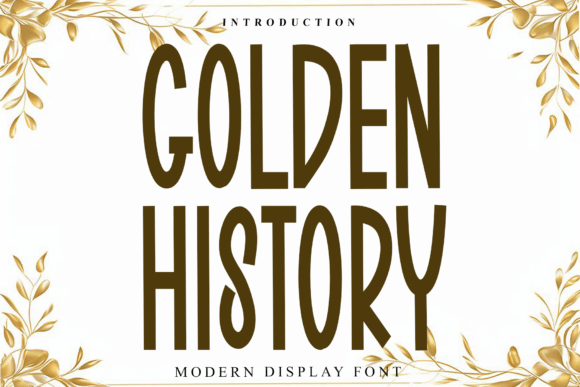
Let me introduce you to Golden History. It’s a modern handwritten typeface that manages to feel both elegantly refined and warmly approachable. I’m not a typography expert, but as a business owner, I know what looks professional. Golden History achieves that. It has tall, thin strokes with a subtle, airy slant, creating a sense of clarity and crisp elegance. It doesn’t shout; it whispers sophistication. The personality is clean, confident, and slightly artistic—perfect for a brand that wants to be seen as intentional and trustworthy.
Why Your Business Needs a Consistent Font
Imagine your customer sees your Instagram post, then visits your website, and finally receives a package from you. If each of those touchpoints uses a different, clashing font, the experience feels disjointed and unprofessional. A consistent font is like wearing a uniform for your brand; it makes you instantly recognizable. Using a single, well-chosen display font like Golden History across all your materials builds cohesion. It tells your customer that you pay attention to details and that you’re serious about what you do. This consistency breeds trust, and trust turns browsers into buyers.
Where to Use Golden History in Your Business
The beauty of a modern script font like Golden History is its versatility. Its elegant style makes it an exceptional choice for accents and focal points. Here’ll see what I mean in real business scenarios.
For your logo or wordmark, Golden History provides a memorable and unique signature. Think of a boutique, a skincare line, or a specialty coffee roaster. Its tall, thin strokes lend an air of premium quality.
On packaging and product labels, it creates a tactile, artisanal feel. Picture a jar of local honey, a handmade candle, or a beautifully boxed tea blend. Using Golden History for the product name or a key phrase instantly elevates the unboxing experience.
In print and digital marketing, it’s perfect for grabbing attention. Use it for headlines on your website banners, the titles on your PDF guides, or the main offer on your flyers and posters. It draws the eye without overwhelming the rest of your content.
Even your smallest customer touchpoints matter. A thank you card, a sticker on a bag, or a menu in your café can feel special with a touch of Golden History. On social media, it’s fantastic for quote graphics, promotional announcements, and Pinterest pins that stand out in a crowded feed.
Golden History as Your Headline or Accent Font
It’s crucial to use Golden History correctly. This is a display font, meaning it’s designed for larger sizes. Its primary role should be as a headline font, a logo typeface, or an accent for special words. You wouldn’t write your entire website’s body text or the fine print on your label in it. For that, you need a highly readable partner font.
Pairing Golden History with Other Fonts
This is the secret sauce for looking professional. Pair your expressive typeface with something clean and simple. For a balanced and highly readable look, try these simple font pairing ideas:
- With a clean sans serif: This is my go-to combination. Use a simple, neutral sans serif font (think of fonts like Arial or Helvetica, but more unique) for all your body text, descriptions, and details. The contrast makes Golden History pop and ensures everything is easy to read.
- With a classic serif font: For a more traditional, editorial, or luxurious feel, pair Golden History with a serif font (one with the little feet on the letters). This works wonderfully for brands in beauty, wedding services, or high-end food products.
Always test your pairings. Write a mock product description, create a fake Instagram post, or draft a section of your website. Does it look harmonious? Is the smaller text still perfectly legible?
Readability in the Real World
A font must work everywhere your brand lives. Golden History, with its clear, thin strokes, holds up well in many real business settings. On mobile screens, ensure you use it at a large enough size in your graphics. On printed packaging and small labels, a skilled designer can help you test the print clarity at the actual size. For social media thumbnails, the key is contrast—place it over a simple background so it doesn’t get lost. Before you commit, always print a sample label or view your designs on an actual phone screen, not just your desktop.
A Note on Commercial Font Licensing
This is the most practical, unglamorous, but critical piece of advice. When you purchase a font like Golden History for business use, you are almost always buying a commercial license. This license grants you the right to use the font on the products, packaging, and marketing materials you sell. However, licenses vary. Before using Golden History on anything you plan to sell—like physical product labels, merchandise, or client work templates—always check the specific license terms from the font creator or distributor. This simple step protects your business and respects the artist’s work.
Building a Recognizable Brand, One Letter at a Time
Choosing Golden History isn’t just about picking a pretty font. It’s a strategic decision for your brand identity. Its modern yet timeless elegance can become the visual thread that ties your entire brand story together. From the moment a customer discovers your online shop to the moment they hold your product, that consistent, crisp, and professional look reinforces who you are. In a world of visual noise, that clarity is priceless. It tells your customer they’ve found something considered, something crafted, and something they can trust.